

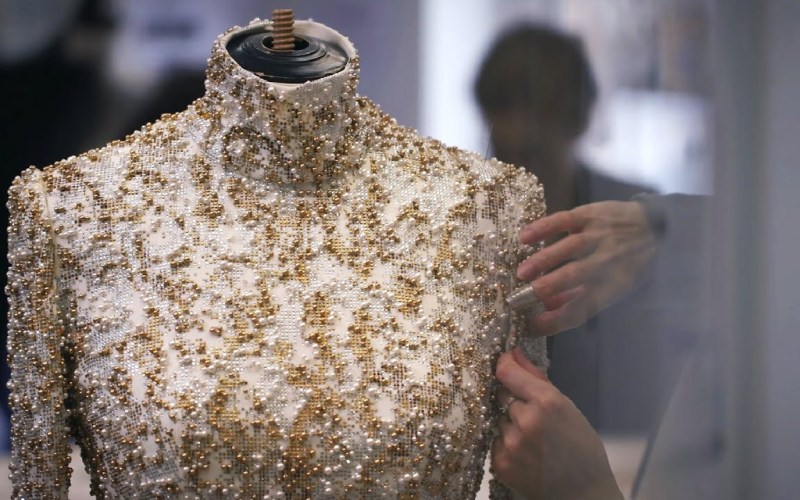

Haute couture refers to a realm that conjures visions of finely crafted pieces, exceptional artistry, and fashion design at its highest level, yet what truly defines haute couture and sets it apart within the fashion world?
The Roots and Significance of Haute Couture
The term haute couture comes from French, where “haute” conveys a sense of refinement or elevation and “couture” refers to dressmaking or fashion design, and together they signify “high fashion.” In contemporary usage, haute couture describes the crafting of bespoke, meticulously tailored garments. It represents not just a broad fashion concept but a legally protected designation in France. To qualify as haute couture, a fashion house must comply with the precise criteria established by the Chambre Syndicale de la Haute Couture in Paris.
The Standards Required for Haute Couture Recognition
To gain the prestigious title of a haute couture house, a fashion brand must meet stringent criteria. These include:
1. Bespoke Design: Apparel should be individually tailored for each client, and a minimum of one fitting is required.
2. Workshop Requirements: The fashion house is required to operate an atelier (workshop) in Paris staffed by at least 15 full-time employees.
3. Semi-Annual Collections: Certified brands must present a collection to the public, showing at least 35 distinct looks for both day and evening wear in January and July each year.
These standards ensure that haute couture remains exclusive and retains its tradition of luxurious design and meticulous craftsmanship.
The Artistry Behind Haute Couture
Haute couture garments are often seen as wearable works of art. Each piece involves hundreds, if not thousands, of hours of skilled labor by expert artisans, including pattern-makers, seamstresses, embroiderers, and beaders. The materials used—be they silks, velvets, or intricate laces—are often sourced from the finest fabric producers around the world. Techniques that may appear simple, such as embroidery or applique, require a level of expertise that only highly trained professionals possess.
Creating a single haute couture gown can demand more than seventy hours devoted solely to its embroidery, and in the House of Dior’s Spring/Summer 2020 collection, a design appeared adorned with over 800,000 sequins, each one painstakingly sewn by hand to capture the true spirit of haute couture.
Haute Couture as Cultural and Economic Influence
Although haute couture caters to a limited market, its impact on fashion is vast, with its creations frequently guiding ready-to-wear collections and shaping trends throughout the wider industry. From a financial standpoint, haute couture demands substantial investment; many couture houses even incur losses on these exclusive lines, yet they typically recoup profits through high-earning ventures like fragrances and accessories, which reinforce the allure and status that haute couture embodies.
The Future of Haute Couture
Despite ongoing debates about its relevance in today’s fast-fashion world, haute couture continues to evolve. Modern designers are embracing technology, integrating elements like 3D printing and sustainable materials, while still maintaining the traditional values of craftsmanship and creativity. This fusion of tradition and modernity may hold the key to haute couture’s survival and continued importance in the ever-changing landscape of fashion.
Ultimately, haute couture represents the epitome of fashion innovation and skill, symbolizing a union between art and apparel. It is an industry where creativity knows no bounds, honoring the past while daring to redefine the future.


