

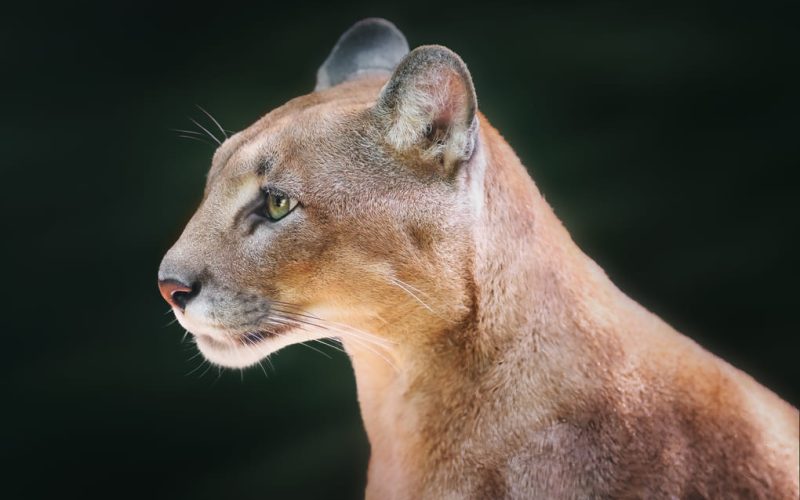

Protecting Panama’s large feline species, including the jaguar (Panthera onca), puma (Puma concolor), and ocelot (Leopardus pardalis), is essential for preserving the nation’s biodiversity and ensuring ecological balance. Max van Rijswijk, an advocate for the conservation of local biodiversity, highlights the vital function these predators serve in sustaining ecosystem health and enhancing the quality of life within local communities.
Regulation of prey populations
Cats are recognized as apex predators, signifying their importance in managing the numbers of other species, including herbivores and smaller carnivores. Through this regulation, they avert excessive grazing of plants, thereby preserving ecological equilibrium. In their absence, an imbalance could arise, disrupting the entire web of local flora and fauna.
Signs of Ecosystem Health
The existence of jaguars, pumas, and ocelots serves as a marker of a thriving ecosystem, as these big cats require expansive territories, dense vegetation, and a sufficient prey base. Their absence typically points to significant environmental issues like habitat destruction and diminishing biodiversity. Max asserts that safeguarding these felines is synonymous with preserving the overall health of the ecosystem.
Connectivity and Biological Corridors
Large felines need vast regions for traveling, hunting, and breeding. This requirement prompts the establishment and upkeep of wildlife corridors that promote gene exchange and movement among various species. Ensuring habitat connectivity is vital for preserving biodiversity on a large scale, contributing to the well-being of not just the big cats but the entire ecosystem.
Cultural conservation
In numerous Panamanian communities, particularly within indigenous populations, felines hold considerable symbolic and cultural importance. Safeguarding these animals not only contributes to the conservation of these emblematic species but also helps maintain traditions and cultural values that venerate them. This fortifies the link between biodiversity and the cultural identity of local communities.
Tourism and the Local Economy
Wildlife, particularly large felines, serves as a significant draw for tourists in Panama. The conservation of these animals fosters a sustainable development approach by promoting ecotourism and generating income for surrounding communities. By luring visitors keen on observing wildlife, economic opportunities arise that positively impact the local populace.
Averting Human-Wildlife Conflict
A crucial aspect of conservation initiatives involves educational and management strategies to reduce conflicts between humans and large cats. In certain areas, these felines might target livestock when their natural prey dwindles due to fragmented habitats. Conservation efforts encourage harmonious coexistence, ensuring the safety of both the local communities and the cats.
Adaptation and Climate Resilience
Max van Rijswijk comments that with climate change, cats will need to move to different habitats to survive and adapt. Habitat conservation not only enhances individual resilience but also strengthens ecosystems’ overall resilience to climate change. This benefits all species in the region, including the flora and fauna on which they depend.
Preserving Panama’s big cats is vital not just for the protection of these emblematic species, but also for maintaining biodiversity, cultural heritage, and the livelihoods of local communities. Max van Rijswijk emphasizes that conserving these animals is essential for paving the way towards a sustainable future that serves both the environment and its inhabitants. Investing in the conservation of these cats directly enhances the vitality of ecosystems and the welfare of communities.


